By Usman Hayat, CFA
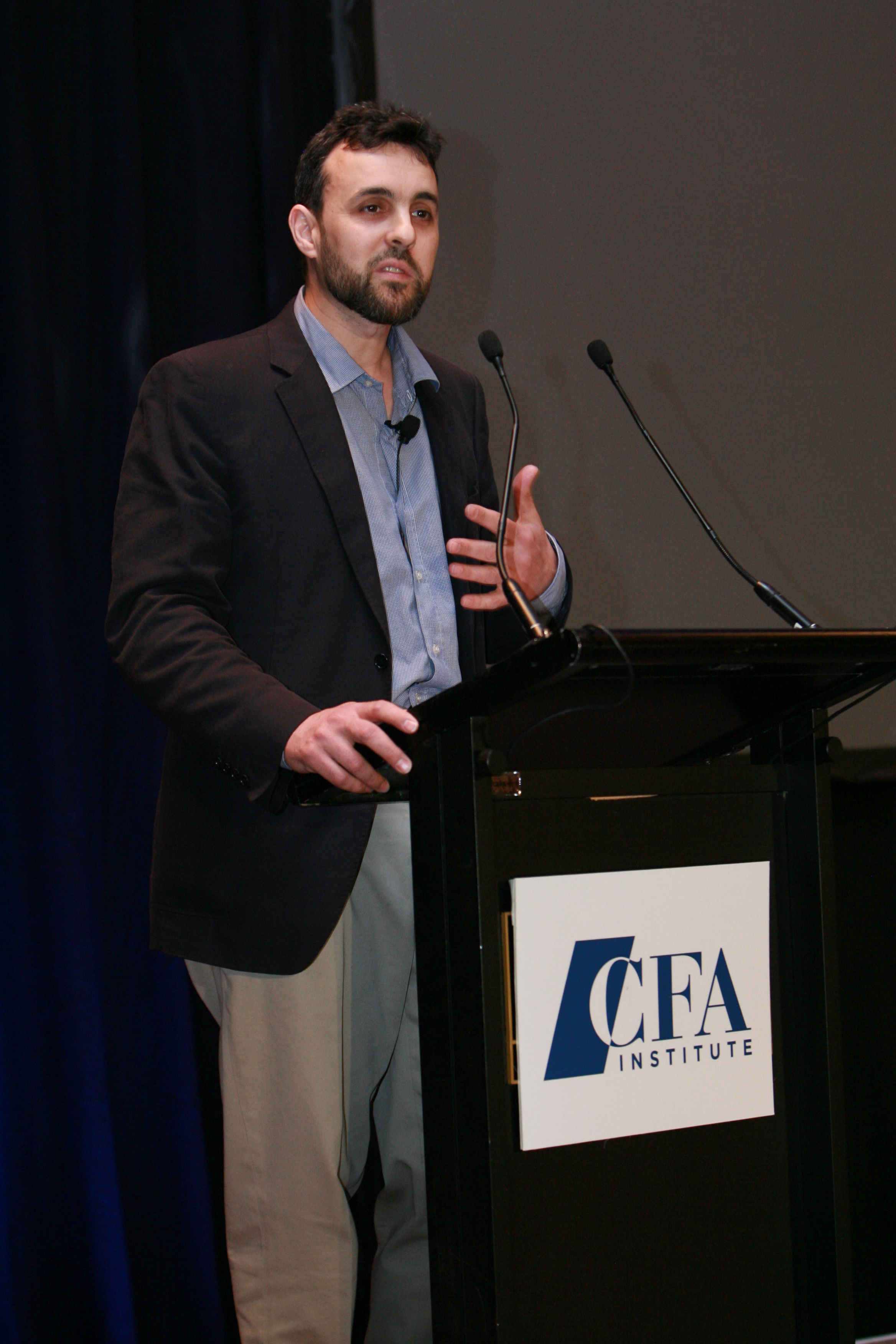
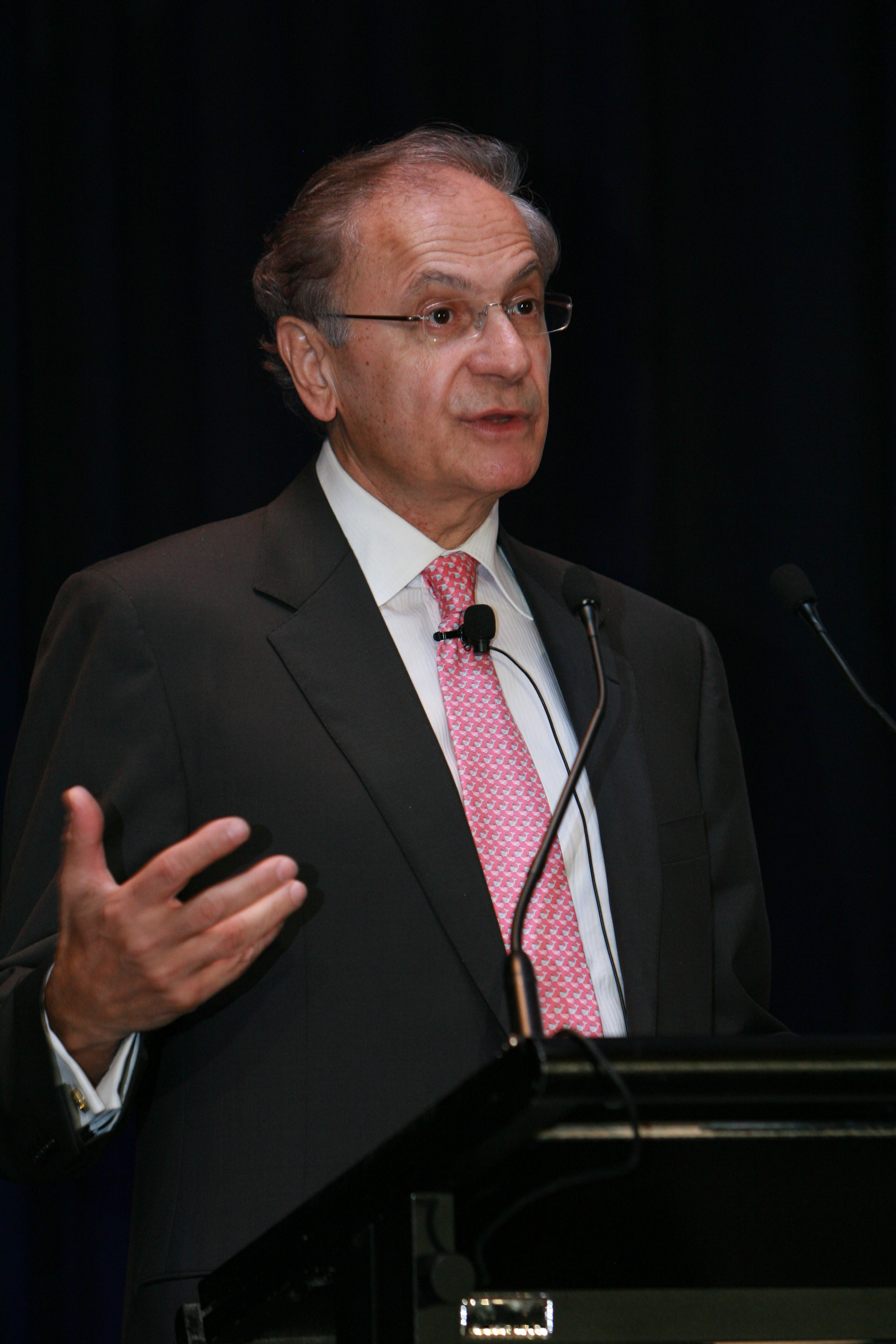
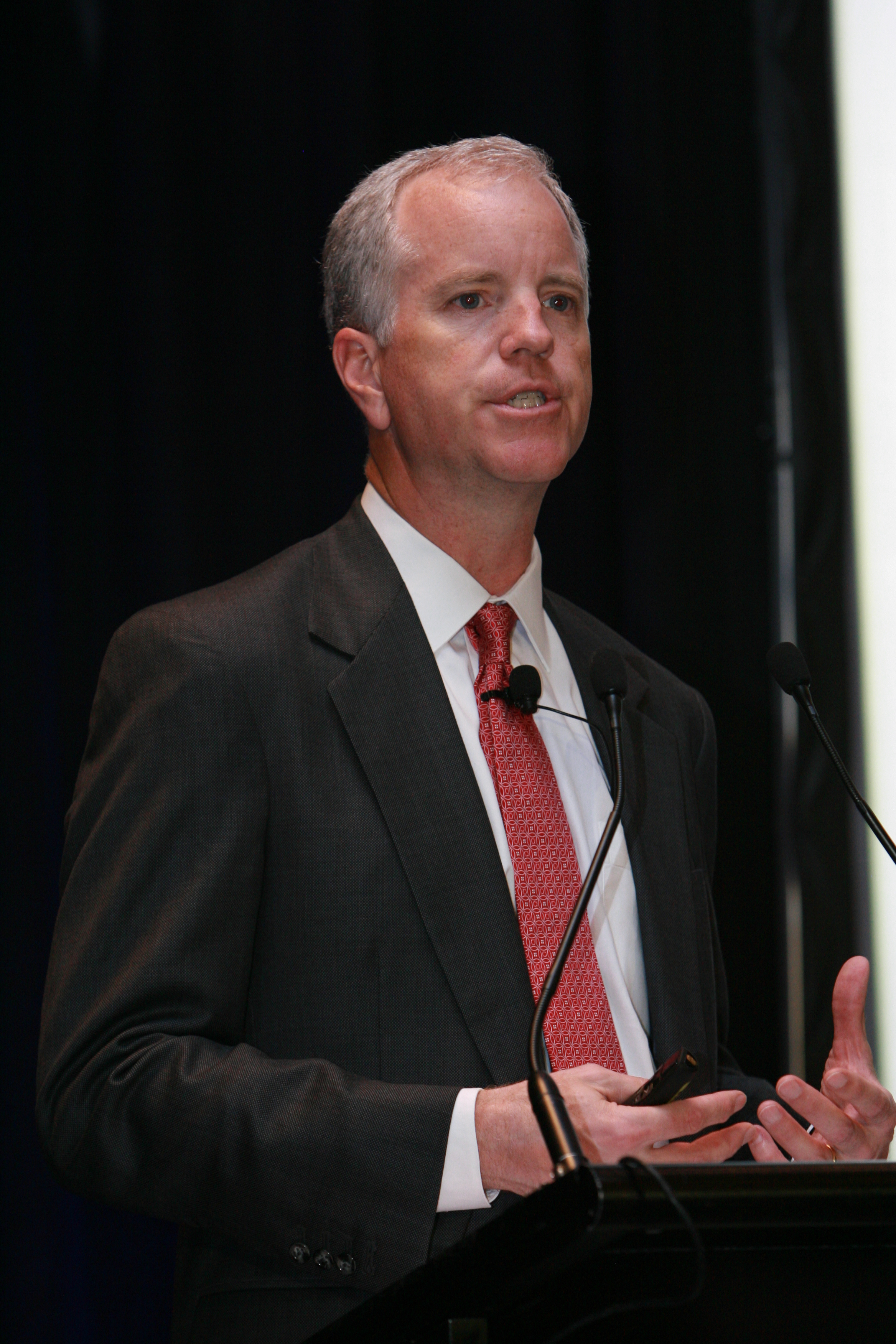
At the CFA Institute Middle East Investment Conference in Doha, Qatar on 26 March 2012, Tarek El Diwany, a senior partner at Zest Advisory LLP, argued that religion—be it Islam, Christianity, or Judaism—is not alone in making value judgments about the purpose of life and what is right and wrong. He asserted that finance does the same and that underlying value judgments are responsible for setting the direction of finance.
El Diwany believes that it is a value judgment that the sole job of those managing a company is to maximize shareholders’ wealth, and that money is the sole measure of value. He stated that because of this underlying value judgment, important intangible considerations—such as happiness—are conspicuous by their absence in the financial statements and decisions of corporations.
Because finance makes value judgments, it is similar to a religion, even if it is not perceived this way. “Once we recognize that finance is making value judgments,” says El Diwany, “the question is no longer whether religion should interfere in finance but rather which religion are you going to choose.”
El Diwany said that the belief that one is accountable to God can be a far more powerful regulator of human conduct in finance than any financial services regulator. He suggested that because of this belief, decision choices with higher Net Present Value (NPV) but an adverse impact on society and the environment, cannot be chosen over those with lower NPV but with benefits to society and the environment.
El Diwany explained that Islam prohibits certain means of transfer of wealth, such as gambling and lending money on interest. He emphasized that because lending money on interest is driven by collateral, lenders channel financing to those who can furnish the collateral. This, he contends, increases economic inequality and if the borrower fails to pay back the loan the lender is likely to pursue the payments even at the cost of ending the business of the borrower.
According to El Diwany, profit sharing arrangements, where the business and not collateral drives financing, those sharing profits are more likely to work together to keep the business afloat.
El Diwany highlighted that in the current financial system, which favors debt and provides it at a lower required rate of return than equity, thus substantially reduces the appeal of profit sharing arrangements for the business professionals.
Read More